
Luxury, Reconsidered
What luxury looks like when nothing is for sale

Luxury is one of those words that feels obvious until you try to define it.
We all think we know what it means. We picture things—objects, textures, spaces. Marble bathrooms. Crisp white sheets in hotels. Silk. Champagne. The vague promise that somewhere there is a better version of life and that it can be purchased, packaged, and delivered.
The dictionary says luxury is a state of great comfort or elegance, especially when it involves great expense. Which makes sense, historically. Luxury used to be fairly easy to identify: it was whatever most people could not afford. Rare fabrics. Imported foods. Travel across oceans. Entire rooms dedicated to doing nothing.
But somewhere along the way the word started to stretch.
Now everything is luxury. Luxury face cream. Luxury dog beds. Luxury vitamins. Luxury mattresses delivered in boxes the size of a surfboard. Luxury water, somehow. Scroll for five minutes and you will encounter a hundred different versions of luxury, each with a link attached to it.
We live in a time where everyone is selling something.
Not just brands—people. Friends. Writers. Influencers. Farmers. Chefs. Everyone has something they are trying to move across the table toward you. A course. A product. A lifestyle. An idea about how your life could be just slightly more optimized, slightly more beautiful, slightly more elevated if you clicked the right button.
And the language around it is always the same.
Elevated. Intentional. Aspirational. Luxury.
But if there is one thing I have come to understand about luxury, it is that the more aspirational an object becomes, the further it drifts from being truly luxurious. The moment a thing becomes widely marketed as luxury, it begins to lose the very quality that made it special in the first place.
Real luxury depends on distance.
The more unattainable something is, the more luxurious it feels. The further the reach, the more powerful the pull. Rarity has always been the engine of luxury. If everyone can have it, then by definition it isn’t luxury anymore—it’s just another product.
Which is why the most luxurious parts of my life right now are almost impossible to sell.
They are not things I’ve clicked on.
They are not things that arrived in a box.
They are conditions.
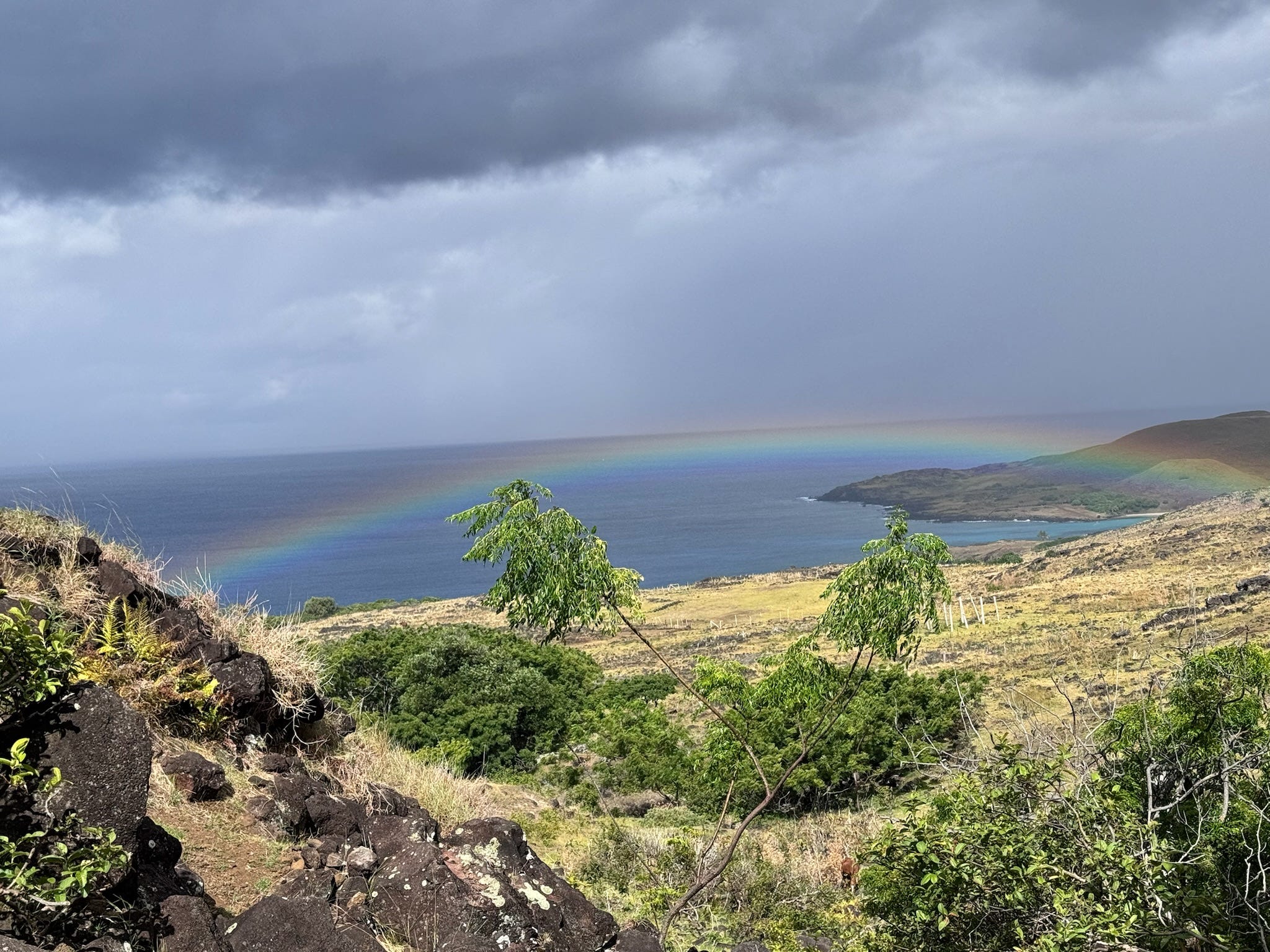
An open landscape with no buildings and no machinery in front of it. Not a view framed by high-rises or interrupted by the low hum of traffic, but a real horizon—the kind where your eye can travel for miles without bumping into anything manmade.
Silence that is actually silence.
The ability to spend this much time with my children while they are still at the age where time together matters the most. Not the compressed, scheduled version of parenting that happens between commutes and school pickups and dinner reservations. But long days that expand and contract naturally. Mornings that unfold slowly. Afternoons that wander.


Being able to catch my own food. Being able to grow it.
Knowing exactly where something comes from because you were there at the beginning of the process. Watching a fish come out of the water. Pulling a fig from a tree that you pass every day. Cutting herbs that you planted months earlier and forgot about until suddenly they are everywhere.
There is a strange satisfaction in removing all the middlemen from the equation.
In most modern systems there are dozens of invisible hands between the beginning and the end of something. Farmers, distributors, factories, warehouses, marketers, retailers. Labels attempting to translate a story that has been processed and repackaged so many times that it barely resembles the original thing.
But when you catch a fish and cook it that afternoon, there is no story to translate. There is no narrative to construct. You already know the whole thing because you were part of it.
You are the only middleman between the process and the result. And that, I have come to realize, is one of the most luxurious feelings there is.


The irony is that these luxuries—the ones that actually shape the texture of a life—are almost completely unmarketable.
You cannot link to them. You cannot add them to a cart. You cannot ship them in two days with free returns.
They resist scale. They require time, space, and a certain amount of slowness that does not fit easily into the way most of the world currently operates.
Which is perhaps why the internet spends so much time trying to sell us substitutes.
A linen apron that suggests farm life.
A handmade bowl that suggests simplicity.
A knife that suggests cooking slowly from scratch.
And sometimes those things are lovely. I am not immune to them. Objects can be beautiful, and beauty has its own quiet kind of value. But objects are often props—symbols of a life—rather than the life itself.
The real luxuries are harder to package. Time that is not constantly being monetized. Land that has not yet been divided and redeveloped. Food that hasn’t traveled thousands of miles before reaching you.
The freedom to structure a day around light, weather, and hunger rather than meetings.
And here is the strange part: if I tried to recreate these exact luxuries in the place where I once lived—in the United States—they would likely be far more expensive than anything the internet currently calls luxury.
An open landscape without development. The ability to spend entire days with your children without financial panic creeping in. Food that comes directly from the place where you are standing. These would be the real aspirational purchases. These would be the things people would work entire careers to achieve.
Which makes me wonder if the definition of luxury has quietly flipped. Maybe luxury was never meant to be about accumulation.
Maybe luxury, at its core, is about access. Access to the things that modern life slowly removes from us: quiet, time, proximity to nature, autonomy over how our days unfold.
In that sense, my life has become more luxurious precisely because it contains fewer luxuries in the traditional sense. There are fewer objects. Fewer things that arrive in boxes.
But there is more space. More time. More directness between the world and the way I experience it. The more aspirational objects I remove from the equation, the more room there is for the things that actually feel rare.
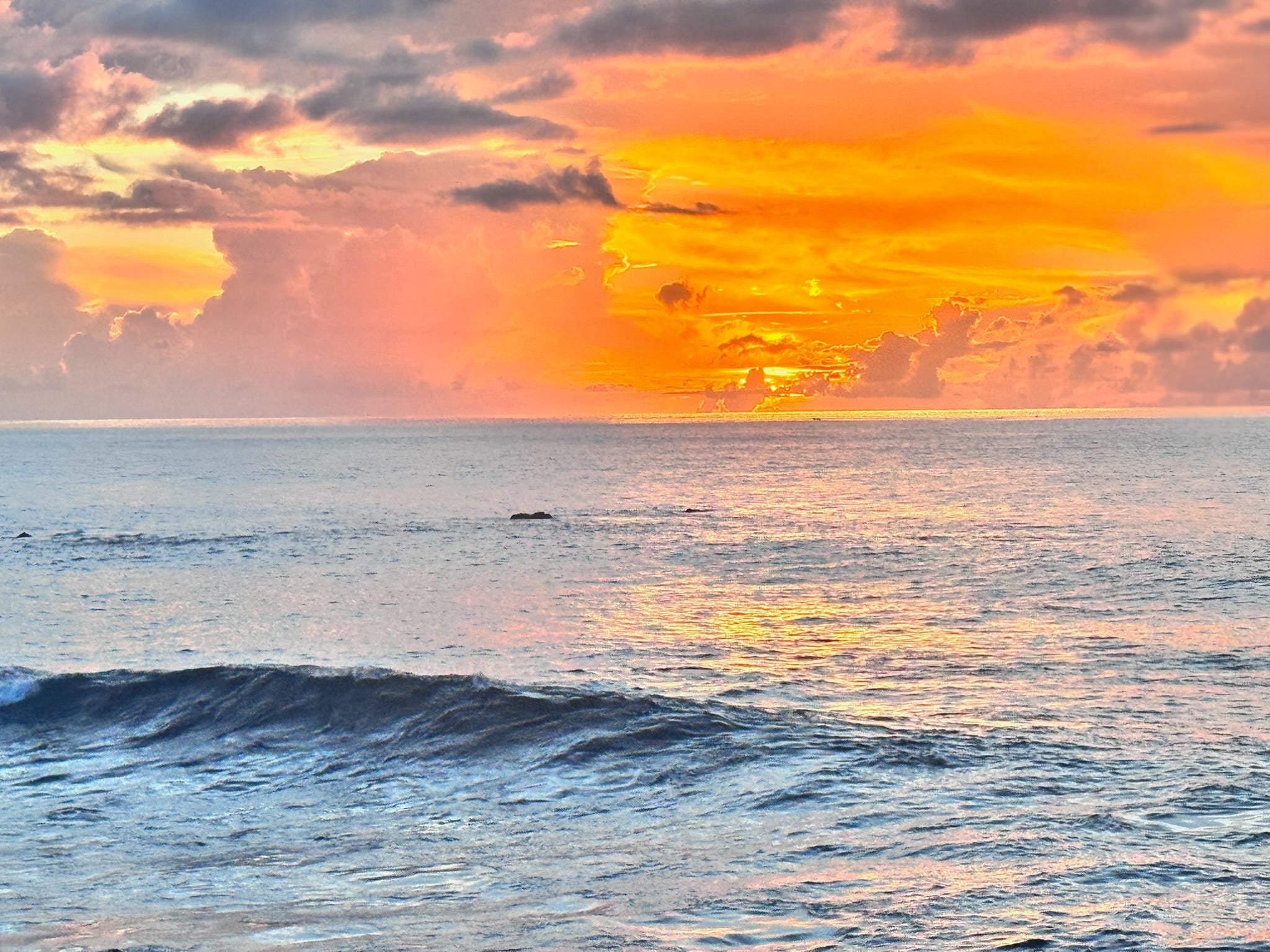
A horizon without buildings. A fish caught that morning. A fig warm from the tree. An entire afternoon that belongs to no one but you.
Luxury, it turns out, might not be about having more. It might simply be about needing less.
beautiful and so very true xx
Love this Ana!