
This Week on the Island
A stew, a search, and the way people come together when things fall apart.

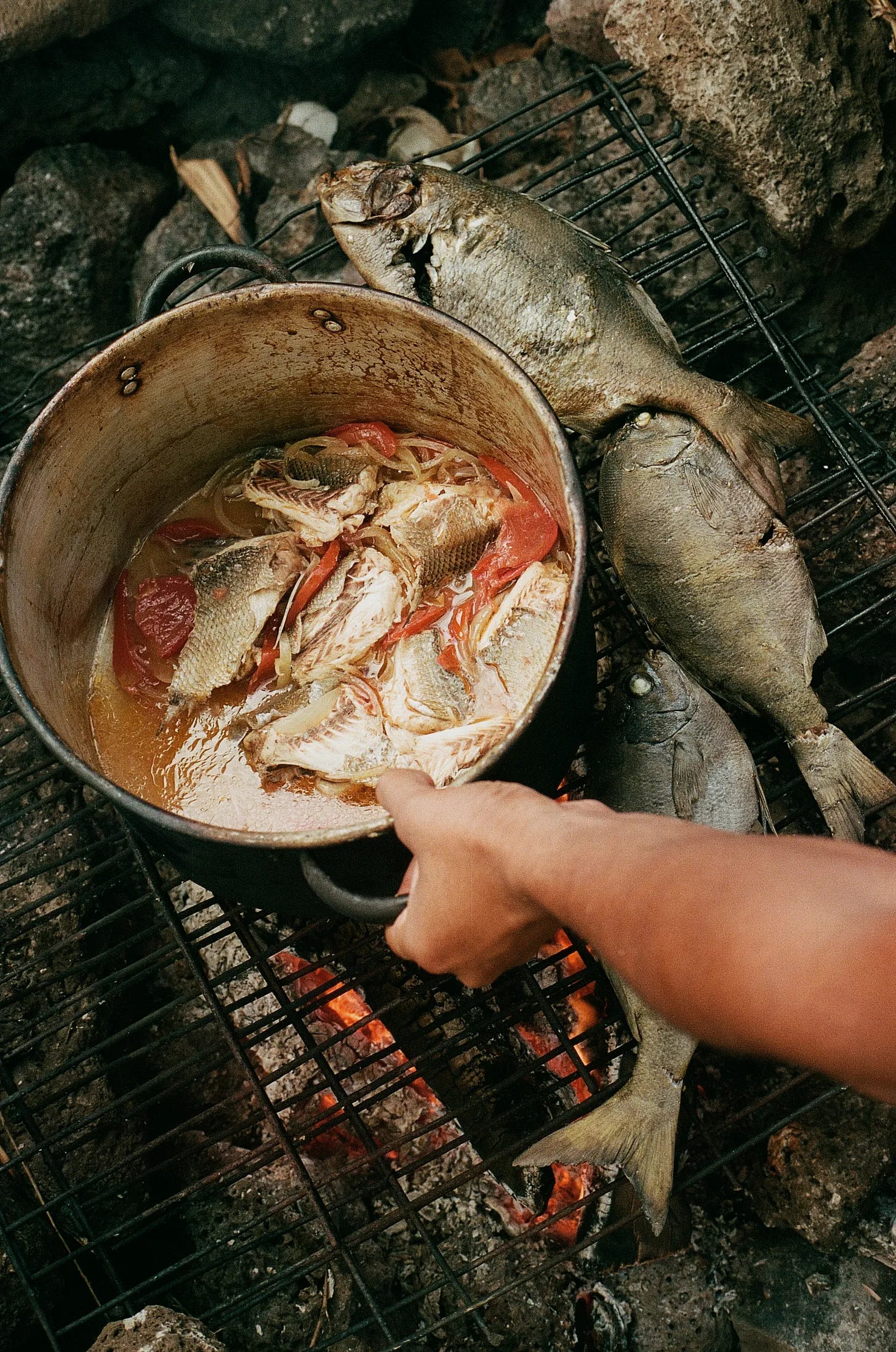
Fishing, unsurprisingly, is our main protein. When you live surrounded by uninterrupted ocean, this tends to happen. We eat fish nearly every day. Sometimes we fish from the rocks. Sometimes Thomas goes spear diving. We are, without question, getting our omegas in—EPA and DHA, the kinds linked to brain health, nervous system regulation, and inflammation, the ones everyone on podcasts keeps insisting most people don’t get enough of. You’d think I’d be tired of it by now. I’m not. Fish here tastes alive, which mostly just means it tastes the way fish is supposed to taste.


Spear diving is something we do weekly. It’s beautiful, and it’s also terrifying in a very specific way—deep water, strong currents, high risk, high reward, no room for distraction. When it goes well, Thomas comes back with buckets of fish, and I make a simple stew. Nothing fancy: onion, garlic, tomatoes, herbs, salt that feels borrowed from the air itself. The food tastes better when you know exactly where it came from and who brought it home. I’ve made this stew in the States too. It works there as well. (Recipe coming soon.)
This week, though, the ocean took someone it shouldn’t have. A young Rapa Nui man went out spear diving on Sunday. The kind of trip you don’t overthink—just enough fish for dinner, maybe something to grill, a normal Sunday. He never came back. By Monday, the entire island was looking for him.
By Thursday morning, when we went to one of our favorite tide pools, the search had become something else entirely. We saw his mother walking the coastline, scanning the rocks and water, hoping—at this point—not for a miracle, but for her son’s body. So she could bring him home. She told us she was heading back to the camp.
The camp. More than twenty tents lined the shore. People cooking, feeding each other, sitting quietly, laughing at moments that surprised them, holding space for a family in the worst week of their lives. There were government boats out at sea. Members of Ma’u Henua (the Rapa Nui government). Friends. Neighbors. Chilean Police officers. Tourists who had arrived for something else entirely and stayed because this mattered more. Instagram stories circulated not for vanity, but logistics—who was bringing food, who needed help, where to go. For a week, the island moved as one body.
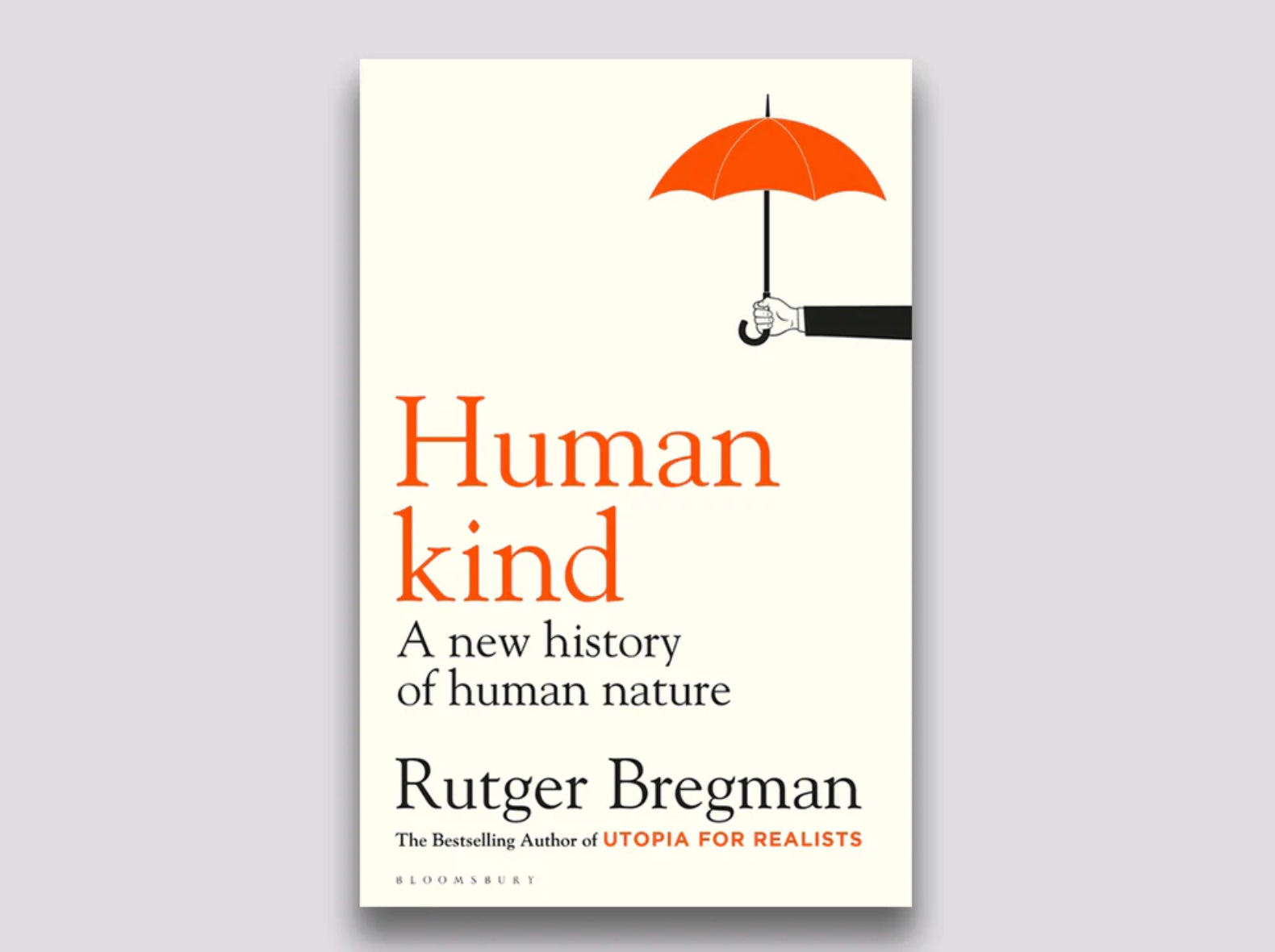
Driving back from the tide pool that morning, I thought about something I’d read in Humankind by Rutger Bregman. He writes—over and over again, with data and history and uncomfortable optimism—that humans are not, at our core, selfish or cruel. That in moments of catastrophe—natural disasters, crises, collapse—we don’t descend into chaos. We converge. We help. We organize. We show up.
“Disaster,” he argues, “brings out the best in people.”
I’ve been thinking about that a lot lately, especially against the backdrop of the daily news updates from The States. The violence. The anger. The polarization. The way disagreement has curdled into hatred. It can feel like we’re training ourselves to see each other as enemies first and humans second.
What’s harder to admit is that even hate creates a kind of unwanted unity. Even hate creates a kind of unwanted unity. It forces people to confront what they stand for by showing them what they won’t accept. And sometimes—sometimes—that shared refusal becomes common ground.
I’ve always believed that one of the reasons we’re so divided is because we’ve gotten too comfortable only being close to people who are like us. Same values, same backgrounds, same language for everything. But connection doesn’t actually require sameness. It requires overlap. One shared point. One thing you can both stand inside at the same time.
It’s true in politics. It’s true in communities. It’s even true in relationships. In the middle of an argument, sometimes all it takes is identifying one thing you still want together to open the door back to each other. And when you open the door to connection, you also open the door to vulnerability.
The Rapa Nui people say that vulnerability is when you’re at your highest energetic frequency. That being open—really open—isn’t weakness, it’s power. It’s what allows grief to be held collectively instead of privately. It’s what turns loss into something survivable.
This week, an island mourned a father of three. And in doing so, it reminded me—again—that community isn’t built in comfort. It’s built in response. In showing up. In feeding each other stew made from fish pulled from the same ocean that takes and gives in equal measure.
There are objectively horrific things happening throughout the world right now. You don’t need me to list them—you already know. Even if, like me, you’re only online a handful of hours a week, the atmosphere still finds you. It seeps in through conversations, headlines overheard, the way people talk faster and louder and with less curiosity than they used to. And yet. Living on Rapa Nui has a way of interrupting that noise. Not erasing it—but reframing it.
The world may be loud and fractured and frightening right now. But if you look closely—especially when things fall apart—you can still see the ancient instinct working underneath it all. We find each other. We always have.
Stand with Minnesota has put together a directory of vetted mutual aid funds, on the ground organizations, legal support foundations and emergency distribution funds to support.